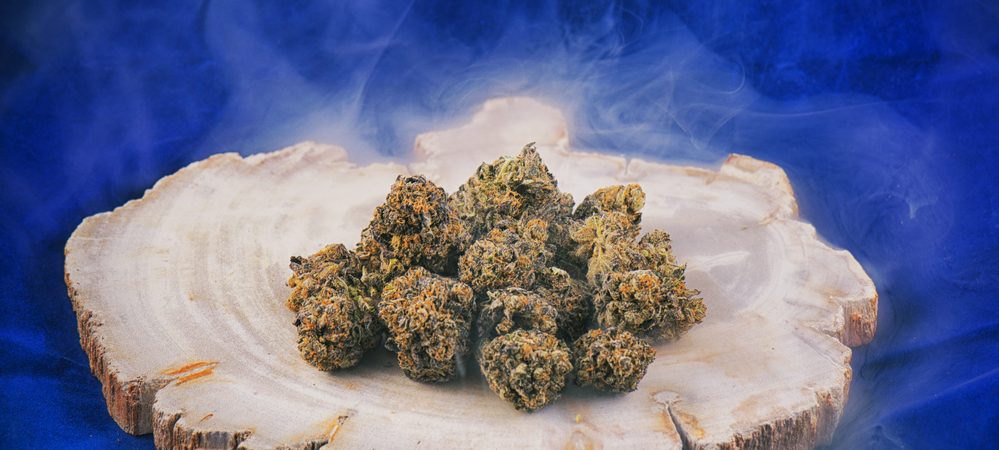
With the legalization of cannabis in many states across the country, teenagers have started using the herb at astonishing speeds. Sadly, although cannabis comes with its very many health benefits, using recreational marijuana which teenagers are using, affects their brain. The crux of the matter is that the teenage brain is developing and therefore the use of cannabis has very adverse effects on it. That is why you should at all avoid using recreational cannabis in case you are a teen, as it will have adverse effects on your brain in the long run. This article will, therefore, delve into the negative effects that cannabis has on a teenage brain.
Addiction
Although the possibility of being addicted to cannabis is low when compared to other drugs like tobacco, whenever you use the drug for a long time you can get addicted. This means therefore that you will not be able to do your day to day activities without using cannabis. Cannabis has two compounds that are the THC which is responsible for the feel high and CBD which is used for medicinal benefits. Once your brain becomes accustomed to being stimulated by the THC compound daily, you get hooked. That is why you should not use cannabis for a very long time or daily. Whenever you get hooked with cannabis, you will start depending on it so that you can function properly as well as making you spend much of your resources.
Loss of memory
Once you use cannabis, the THC compound stimulates the hippocampus
part of the brain which is responsible for memory and learning. The more you
continue using cannabis, the more the THC compound destroys the hippocampus
part of your brain, thus causing memory loss. That is why people who have used
cannabis for a very long time, they have difficulties remembering things, as
their hippocampus part of the brain is destroyed and is not functioning
normally. That is the reason why you find that teenagers who use cannabis
often, have a low IQ when compared to their counterparts who do not abuse the
herb.
Less blood flow to parts of the
brain
Your brain just like any other part of the body depends on blood for it to function properly. This is because the blood contains oxygen, which is a vital element for the normal functioning of the body. Whenever you use cannabis as a teenager therefore, the THC compound inhibits the free-flowing of blood in your brain. This can be very detrimental in serious cases, as it can lead to teenagers becoming mad as their brain is not functioning as it is supposed to. That is why as a teenager, you need to avoid using cannabis the was bought at an online dispensary in Canada.
Popping a CBD melatonin gummy and hoping for the best isn’t really a sleep strategy. The real payoff comes when you build a simple nighttime routine around it — one that primes your body and brain to receive what the gummy is offering.
Why Routine Matters More Than the Gummy Itself
Your body runs on patterns. The circadian rhythm responds to consistent signals — eating at the same time, dimming lights at the same hour, winding down the same way each night. These train your brain to recognize when sleep is coming.
A CBD melatonin gummy is one signal in that chain. By itself, it nudges you toward drowsiness. Inside a consistent routine, it becomes the final push into deep, restful sleep. The routine amplifies the gummy. The gummy anchors the routine.
This is when you stop doing anything stimulating. Close the laptop. Put work email away. Your brain needs time to downshift from problem-solving mode to rest mode, and screens work against that transition.
Replace screen time with something low-key — a physical book, light stretching, journaling, or calm music. The activity matters less than the consistency.
Take the Gummy at the 60-Minute Mark
About 60 minutes before your target bedtime, take your CBD melatonin gummy. Edibles need time to pass through your digestive system, and this timing lines up the onset with the moment you’re climbing into bed.
Melatonin signals your brain that darkness has arrived. CBD works alongside it by calming the nervous system, easing tension, and quieting low-grade anxiety. Together, they address both the hormonal and psychological sides of falling asleep.
Most CBD melatonin gummies contain 1mg to 5mg of melatonin alongside 10mg to 25mg of CBD. Start with the lowest dose and increase only after a week of consistent use. Too much melatonin can leave you groggy the next morning.
Dim the Lights and Drop the Temperature
Dim every light or switch to warm-toned bulbs. Bright overhead lighting suppresses natural melatonin production, working against the supplement you just took.
A cool room — around 65 to 68 degrees Fahrenheit — supports your body’s natural temperature drop before sleep. A warm shower 30 minutes before bed helps too: the rapid cooling afterward mimics that natural drop and signals sleep is close.
The Last 30 Minutes
The gummy’s effects are starting — subtle heaviness in your limbs, slowing thoughts, calm settling in. Use this window for something that doesn’t require active thinking. Light reading, gentle breathing exercises, or simply lying still. If your mind wanders to tomorrow’s tasks, jot them on a notepad to clear the mental runway.
Consistency Is the Whole Game
This routine doesn’t need to be perfect every night. But the more consistent you are, the faster your body learns the pattern. After two to three weeks, most people start feeling sleepy before the gummy even kicks in.
That’s when the routine is working — when your body anticipates sleep instead of resisting it.
As the global understanding of plant-based wellness has matured, the focus has shifted from mere extraction to the raw, unadulterated beauty of the plant itself. In 2026, CBD flower has emerged as the preferred choice for those who value the “entourage effect”—the synergistic relationship between cannabinoids, terpenes, and flavonoids. Unlike processed oils or isolates, the flower remains in its acidic, original state, offering a purely smooth and aromatic experience. Whether you are seeking a functional daytime grounding or a peaceful evening ritual, high-purity hemp flower provides a standardized, consistent pathway to balance without the intense psychoactivity associated with high-THC cultivars For more info click here.
The Science of the Raw Bud: Beyond Cannabidiol
When you hold a premium, “frosty” nug of CBD flower, you are looking at a complex biological factory. In 2026, cultivation techniques have reached a level of technical accuracy that allows for the precise expression of specific therapeutic profiles.
1. Terpene Diversity and Flavor Clarity
The scent of the flower—ranging from bright citrus and pine to deep earthy musk—is dictated by its terpene profile. Terpenes like myrcene, limonene, and caryophyllene do more than provide aroma; they modulate how CBD interacts with your receptors. This genetic excellence ensures that each unbranded strain offers a unique sensory journey and a specific functional outcome.
2. The Acidic Precursors: CBDA and THCA
Raw CBD flower is rich in CBDA (Cannabidiolic Acid). While many focus on activated CBD, modern research in 2026 highlights the unique properties of these acidic precursors. By consuming the flower in its raw form—such as in juices or cold infusions—users can access the plant’s raw integrity. Conversely, when the flower is heated through vaporization, these acids decarboxylate into their neutral forms, providing an immediate and systemic sense of composure.
Quality Benchmarks for the Modern Enthusiast
Navigating the market for unbranded CBD flower requires an eye for detail and a demand for laboratory transparency. In 2026, the distinction between “industrial hemp” and “boutique CBD flower” is defined by the care taken during the curing process.
Trichome Density: High-quality flower should be covered in glistening, resinous trichomes. These microscopic crystals house the majority of the cannabinoids and terpenes. If the flower appears dull or brown, it may have been harvested prematurely or stored improperly.
The “Snap” Test: Properly cured flower should have a slight “snap” when the stem is broken, yet the bud itself should remain resilient and slightly sticky. This indicates that the moisture content is perfectly balanced to prevent mold while preserving the volatile essential oils.
Laboratory Verification: Never source CBD flower without a full-panel Certificate of Analysis (COA). This document verifies that the Delta-9 THC content remains below the legal 0.3% threshold and confirms the absolute absence of heavy metals, pesticides, and microbial contaminants.
Integrating CBD Flower into a 2026 Lifestyle
The versatility of the raw bud allows for various methods of integration, depending on your wellness goals.
Connoisseur Vaporization: By using dry-herb vaporizers at specific temperatures, users can “target” specific terpenes without the combustion of plant material. This provides the cleanest flavor clarity and the most efficient delivery of cannabinoids.
Custom Infusions: Many enthusiasts use unbranded CBD flower to create their own “weed butter” or coconut oil infusions. This allows for a professional titration of dosage in home-cooked meals or topicals.
Mindful Blending: A popular trend in 2026 is blending CBD flower with high-potency THCA flower. This allows the user to modulate their experience, using the CBD to “ground” the session and create a more balanced, manageable effect.
Conclusion: The Pure Perfection of the Plant
To choose CBD flower is to embrace the most sophisticated form of botanical medicine: the one designed by nature. By prioritizing lab-verified purity and honoring the raw integrity of the hemp plant, consumers can enjoy a level of wellness that is both traditional and cutting-edge. As the industry continues to innovate, the humble bud remains the definitive gold standard for those who value quality, transparency, and a holistic relationship with the earth.
As the cannabis landscape continues to mature in 2026,the best Delta 9 gummies have become the gold standard for those seeking a reliable, high-potency edible experience. Unlike the unregulated “wild west” era of early hemp derivatives, today’s top-tier products are defined by sophisticated extraction methods, rigorous safety standards, and transparent labeling. Whether you are looking for deep relaxation, a mood boost, or a balanced therapeutic effect, knowing how to identify a premium product is essential for a safe and effective journey.
By 2026, the term “best” is no longer just about potency; it’s about the synergy of ingredients and the integrity of the manufacturing process. The best Delta 9 gummies currently on the market prioritize a holistic approach to wellness.
What to Look for in 2026:
Hemp-Derived Compliance: To remain federally accessible, the most reputable gummies ensure their Delta 9 THC is derived from hemp and adheres to the legal limit of 0.3% THC by dry weight.
Full-Spectrum Profiles: High-quality gummies often include a blend of CBD, CBG, and CBN. This creates the “entourage effect,” where cannabinoids work together to provide a more stable and well-rounded high.
Natural Ingredients: The shift toward wellness means the best products avoid high-fructose corn syrup and artificial dyes, opting instead for organic fruit juices, pectin, and natural sweeteners.
The Gold Standard: Lab Testing and Purity
In 2026, transparency is non-negotiable. Any product claiming to be among the best Delta 9 gummies must provide a comprehensive Certificate of Analysis (COA) from an independent, third-party laboratory. This is the consumer’s only real guarantee of safety.
A proper COA does more than just confirm the THC count. It screens for harmful contaminants that can enter the hemp plant from the soil. Much like the standards expected for a research grade peptide, premium gummies are tested for:
Heavy Metals: Ensuring no lead, arsenic, or mercury is present.
Pesticides and Herbicides: Verifying a clean, organic growing process.
Residual Solvents: Confirming that the extraction process (like CO2 extraction) left no toxic chemicals behind.
Microbial Contaminants: Checking for mold, mildew, or bacteria.
Choosing Your Experience: Potency and Ratios
The “best” gummy is ultimately the one that matches your personal tolerance and goals. In 2026, manufacturers have moved away from one-size-fits-all dosing, offering a variety of strengths:
The Beginner’s Choice (2mg – 5mg): Low-dose gummies are perfect for those new to THC or those who prefer “microdosing” for subtle stress relief without a heavy psychoactive shift.
The Balanced Blend (1:1 Ratio): Many of the best Delta 9 gummies feature equal parts CBD and THC. The CBD acts as a buffer, smoothing out the “edges” of the THC and reducing the likelihood of anxiety or paranoia.
The High-Potency Option (10mg+): For experienced users or those with a high physiological tolerance, these gummies provide a deep, long-lasting euphoric experience.
Onset and Duration: Managing Your Timing
Unlike vaping or smoking, the best Delta 9 gummies require patience. Because they must be processed by the digestive system and the liver, the onset of effects typically takes between 45 and 90 minutes.
However, the payoff for this wait is longevity. An edible high in 2026 is known to last anywhere from 4 to 8 hours, providing a sustained level of relaxation that is ideal for evening use or managing long-term discomfort. Experts always recommend waiting a full two hours before considering a second dose to avoid “stacking” effects.
Conclusion
Finding the best Delta 9 gummies in 2026 is a matter of prioritizing transparency and personal needs. By focusing on third-party lab results, natural ingredient profiles, and proper cannabinoid ratios, you can ensure a premium experience that is both safe and enjoyable. As the industry continues to innovate, these precisely dosed edibles remain the most convenient and sophisticated way to enjoy the benefits of Delta 9 THC.
The landscape of cannabis retail in Canada has been significantly shaped by the rise of the Buy Hash Online in Canada sector. In 2026, purchasing cannabis online is not just a convenience; it’s a streamlined, regulated experience offering unparalleled access to a diverse range of products across all legal provinces and territories. For consumers and enthusiasts, understanding the nuances of Canada’s digital cannabis storefronts is essential for ensuring quality, compliance, and a satisfactory purchasing journey.
The Evolution of the Online Dispensary in Canada
Canada made history by legalizing recreational cannabis nationwide in 2018. While initial retail varied by province, the online channel quickly became a cornerstone, especially in regions with limited physical stores. By 2026, the online dispensary Canada ecosystem is highly sophisticated, driven by provincial government bodies and licensed private retailers, all operating under strict federal and provincial regulations. This ensures product safety, age verification, and responsible marketing practices.
Key Benefits of Choosing an Online Dispensary:
Unmatched Selection: Online platforms typically offer a much broader inventory of flower, pre-rolls, vapes, edibles, concentrates, and accessories compared to physical stores.
Convenience and Accessibility: Shop from anywhere, at any time, with discreet home delivery. This is particularly beneficial for consumers in rural areas or those with mobility challenges.
Detailed Product Information: Online listings often provide extensive details on cannabinoid percentages (THC, CBD, THCA), terpene profiles, strain genetics, and growing methods, empowering informed decisions.
Competitive Pricing and Promotions: The digital marketplace fosters competition, often leading to better pricing and regular promotions.
What to Look for in a Reputable Online Dispensary in Canada (2026)
Navigating the multitude of options requires diligence to ensure a safe and legal purchase. In 2026, here’s what to prioritize:
1. Provincial Licensing and Compliance
The most crucial factor is verifying that the online dispensary is provincially licensed. Each province or territory has its own regulatory body for cannabis sales (e.g., OCS in Ontario, BC Cannabis Stores in British Columbia, SQDC in Quebec). Legitimate online dispensaries will clearly display their provincial license or indicate that they are the official provincial retailer.
* Age Verification: Expect robust age verification processes, both at registration and often upon delivery, to ensure compliance with legal age requirements (18 or 19, depending on the province).
2. Comprehensive Lab Testing and Transparency
All legal cannabis products sold through an online dispensary Canada must undergo rigorous third-party lab testing. Reputable dispensaries will provide Certificates of Analysis (COAs) for their products, verifying:
* Potency: Accurate THC, CBD, and other cannabinoid levels.
* Purity: Confirmation of the absence of harmful contaminants like pesticides, heavy metals, mycotoxins, and residual solvents. The standards for these tests are exceptionally high, often compared to those for a research grade peptide, ensuring consumer safety.
3. Product Variety and Freshness
A good online dispensary will offer:
* Diverse Product Categories: Flower, pre-rolls, edibles (including beverages), vapes, concentrates (rosin, shatter, live resin), topicals, and seeds.
* Freshness Indicators: While not always explicit, some sites might list harvest dates or offer fresh batches of popular strains. Proper packaging and storage by the dispensary are also key to maintaining product integrity.
4. Secure Payment and Discreet Shipping
Trustworthy online dispensaries provide:
* Secure Payment Options: Major credit cards or Interac e-Transfer are common, all processed securely.
* Discreet Packaging: Products are shipped in plain, unbranded packaging to maintain privacy.
* Reliable Delivery: Clear information on shipping times, costs, and tracking. Signature upon delivery (with ID check) is standard.
The Future of Online Cannabis Retail in Canada
Looking ahead, the online dispensary Canada model is likely to continue its expansion and refinement. Innovations in logistics, personalized recommendations driven by AI, and enhanced consumer education tools will further improve the online shopping experience. As regulations continue to evolve, consumers can expect even greater transparency and product traceability, solidifying Canada’s position as a leader in legal cannabis retail.
Conclusion
For Canadians, the online dispensary Canada has become an indispensable part of the legal cannabis journey. By prioritizing provincially licensed retailers, scrutinizing lab results, and valuing comprehensive product information, consumers can confidently navigate the digital marketplace to find safe, high-quality, and diverse cannabis products. This informed approach ensures that the convenience of online shopping also delivers peace of mind and satisfaction.
As we move through early 2026, the landscape for hemp-derived cannabinoids has reached a critical juncture. For consumers looking for THCA Small Buds, the market offers more variety than ever before—from high-potency flower and concentrates to discreet edibles and vapes. However, as federal and state regulations tighten their grip on “intoxicating hemp,” the process of finding high-quality, compliant products requires a more sophisticated approach than in years past.
The Science of THCA: Why It Remains in High Demand
Tetrahydrocannabinolic Acid (THCA) is the acidic precursor to Delta-9 THC. In its raw form, as found on the live cannabis plant, it is non-psychoactive. This chemical distinction is what allowed THCA to proliferate under the 2018 Farm Bill. When a user applies heat—through smoking, vaping, or cooking—a process called decarboxylation occurs, converting the THCA into the well-known psychoactive compound THC.
The demand for THCA remains high because it offers an authentic, full-plant experience. Unlike synthetic or heavily processed alternatives, THCA flower and extracts provide the natural terpene profiles and “entourage effect” that many consumers prefer.
What to Look for When Buying THCA Online
In 2026, the “gray market” is being phased out by sophisticated, lab-backed operations. To ensure you are getting a safe and effective product, prioritize the following:
1. Rigorous Lab Verification
The most important document in your purchase is the Certificate of Analysis (COA). Today’s top-tier vendors don’t just test for potency; they utilize advanced chromatography that rivals the precision of a research grade peptide analysis. This level of scrutiny ensures:
Delta-9 Compliance: Verifying the product stays below the 0.3% limit.
Total Purity: Screening for heavy metals, residual solvents from extraction, and mycotoxins.
Terpene Mapping: Allowing you to choose strains based on specific aromatic and functional profiles.
2. Cultivation Methodology
The quality of THCA for sale is often dictated by how it was grown. Indoor-grown flower remains the gold standard for those seeking maximum trichome density and shelf appeal. However, greenhouse and light-deprivation grows have become highly popular for their balance of quality and value, offering a more sustainable footprint without sacrificing potency.
3. Proper Packaging and Curing
High-THCA products are sensitive to light, heat, and oxygen. Reputable sellers now use UV-protected glass or multi-layered vacuum sealing to ensure the flower arrives with its moisture content intact. If a vendor ships in thin, translucent plastic, the THCA may begin to degrade or prematurely decarboxylate during transit.
Navigating the 2026 Legal Landscape
The legal status of THCA is more state-dependent than ever. While the federal government has moved toward a “Total THC” standard in recent legislative updates, many states still operate under the original Delta-9 dry-weight definitions.
“Total THC” States: In these regions, THCA is added to the Delta-9 THC percentage to determine legality. If the combined number exceeds 0.3%, the product is treated as regulated cannabis.
Harvest-Basis States: Some jurisdictions only measure the plant at the time of harvest. Since THCA doesn’t convert to THC until heated, these states often allow the sale of high-THCA flower even if the “potential” THC is high.
Before searching for THCA for sale, always verify your local statutes. As of 2026, several states have implemented age-verification requirements (21+) and delivery restrictions that differ significantly from neighboring regions.
Conclusion: Value and Safety First
Whether you are a seasoned connoisseur or a newcomer exploring hemp-derived options, the 2026 market for THCA is robust but complex. By insisting on transparent lab results, understanding the nuances of cultivation, and staying informed on local laws, you can find premium THCA that meets both your wellness needs and safety standards.
Finding top-quality wholesale thca flower at good prices can be a challenge for many buyers. Labtested strains are growing in demand as more people want safe and clean bulk cannabis.
This blog will help you discover the best sources for wholesale Hemp Store NC, covering premium strains like indica, sativa, and exotic flowers with discount pricing and fast shipping. Keep reading to see how you can boost your inventory with reliable suppliers!
Key Takeaways
Wholesale THCA flower comes in indoor, greenhouse, and exotic strains. Each offers unique flavors, effects, and quality. Many undergo lab testing for safety and potency.
Buying in bulk gets you lower prices. Suppliers offer discounts on big orders. You can save more with loyalty programs and seasonal promotions.
White label and co-packing services help retailers sell THCA flower under their own brand. This saves time on production while keeping costs low.
Most trusted suppliers offer lab-tested products with overnight shipping options. This keeps inventory fresh and ensures product quality for customers.
Retailers can mix premium indica, sativa, or exotic flowers in large packages. Flexible orders let them meet different customer needs at competitive prices.
Quality Strains for Wholesale THCA Flower
Quality strains for wholesale THCA flower come in various forms. You can find premium indoor, greenhouse, and exotic flowers that cater to every taste.
Indoor THCa Flower
Indoor THCA flower offers a controlled environment that ensures high-quality cannabis. Growers use advanced techniques to maintain ideal light, temperature, and humidity levels. This process results in two popular types: Indica and Sativa strains.
Both provide unique effects for users.
These premium strains often feature rich cannabinoid profiles. Many indoor varieties undergo lab testing to ensure potency and safety. Buyers can find bulk cannabis options at competitive prices from trusted suppliers.
Indoor flowers also boast hand-trimmed buds for an attractive appearance and enhanced experience.
Greenhouse THCa Flower
Greenhouse THCA flower offers a unique growing method that combines the best of both indoor and outdoor cultivation. This process allows growers to control environmental factors like light, humidity, and temperature while still benefiting from natural sunlight.
As a result, greenhouse-grown cannabis often showcases vibrant colors, rich flavors, and potent effects.
Many suppliers offer premium strains such as Indica and Sativa varieties at competitive prices. Greenhouse strains typically undergo lab testing to ensure quality and safety for consumers.
They also come hand-trimmed to enhance appearance and potency. Wholesale buyers can find these high-quality flowers in bulk packages or take advantage of discount pricing options. Enjoying overnight shipping makes it easy for retailers to stock up on sought-after products quickly.
Exotic THCa Flower
Exotic THCA flowers stand out for their unique flavors and effects. These premium strains often come from specialized growers who focus on quality. Many of these exotic options include rare Indica and Sativa varieties, which appeal to diverse preferences.
Each strain undergoes lab testing to ensure safety and potency, making them a reliable choice for wholesale buyers.
Bulk purchasing of exotic flowers provides retailers with exciting inventory options at competitive prices. These distinctive products attract customers looking for something special.
They create buzz in the market, leading to increased sales opportunities for cannabis suppliers. Now let’s explore the competitive pricing available for wholesale THCA flower.
Competitive Prices for Wholesale THCA Flower
Wholesale THCA flower comes with attractive price tags. Buyers can score amazing deals through bulk purchases and discounts that keep costs low.
Wholesale Discounts
Wholesale discounts make purchasing THCA flower more affordable. Many suppliers offer various deals that save you money.
Bulk orders often come with significant price cuts, encouraging larger purchases.
Some vendors provide tiered discounts based on order size; the more you buy, the more you save.
Regular customers might receive exclusive discounts or loyalty programs to further reduce costs.
Seasonal promotions can bring exciting opportunities for savings during peak buying times.
Collaborative purchasing can lead to combined discounts for groups wanting high-quality cannabis at lower prices.
Bulk Packages
Wholesale discounts lead to significant savings and offer a pathway to bulk packages. These packages provide buyers with options for larger quantities of THCA flower.
Bulk packages often come with lower prices, allowing customers to stock up on premium strains without breaking the bank.
Discounts apply when purchasing large amounts of cannabis, making it more affordable for retailers and distributors.
Customers can choose from various sizes, ensuring they find the right fit for their needs.
Many suppliers offer special deals on bulk orders. This can include discounted pricing or exclusive strains.
Handtrimmed flowers often appear in these bundles, enhancing the quality buyers expect.
FAQs
1. Where can I find the best sources for wholesale THCA flower at competitive prices?
You can discover top suppliers by comparing bulk cannabis vendors who offer premium strains and discount pricing. Look for companies that focus on quality flower strains and reliable hemp sourcing.
2. What types of THCA flower strains are available in bulk?
Wholesale sellers provide a wide selection, including indica, sativa, and exotic flowers. Many offer lab-tested options to ensure high cannabinoid content and safety.
3. How do I know if wholesale hemp or cannabis is labtested for quality?
Reputable suppliers share third-party test results to prove their products meet standards. These reports confirm purity and cannabinoid levels in every batch.
4. Can I get overnight shipping when buying wholesale THCA flower?
Many trusted wholesalers offer overnight shipping on bulk purchasing orders, so you receive
Are you frustrated with long waits for cannabis delivery? Mountain Remedy Dispensary Oakland is now faster and more reliable than ever before. This guide will show you how to get quick service, find the best dispensaries, and order your favorite products online.
Key Takeaways
Weed delivery in Walnut Creek is quick and easy, thanks to services like Weedmaps.
California legalized recreational cannabis in 2016, which allows safe and legal weed delivery for residents.
Ordering online takes just a few steps: create an account, enter your address, choose products, pay, and confirm delivery details.
Customers get access to many products and brands such as edibles, oils, flowers, and more from local dispensaries.
Using weed delivery supports small businesses in Walnut Creek by keeping money within the community.
Ordering Weed Delivery in Walnut Creek
Ordering weed delivery in Walnut Creek is simple and quick. Follow a few easy steps through Weedmaps, and you’ll have your favorite strains at your door in no time.
Steps to ordering weed delivery through Weedmaps
Ordering weed delivery through Weedmaps is easy and efficient. You can enjoy the convenience of having products delivered right to your door.
Create an account on Weedmaps. Sign up with your email address or use social media accounts for quick access.
Enter your location. Input your address to find nearby dispensaries that offer delivery services in Walnut Creek.
Browse available products. Check out a wide variety of marijuana options, including recreational and medical items from local dispensaries.
Add items to your cart. Select your desired products and adjust quantities according to your preferences.
Review your order. Make sure everything looks correct before proceeding to checkout.
Choose a payment method. Decide if you want to pay online or use cash upon delivery for added convenience.
Confirm the delivery details. Get ready to specify when you want the weed delivered and provide specific instructions if needed.
These steps make ordering from a dispensary quick and straightforward, offering fast service while supporting local businesses in Contra Costa County. Next, explore the benefits of using weed delivery services!
Available delivery locations
Walnut Creek offers various delivery locations for weed. Many areas in the city can access reliable services. You will find options near parks, shopping centers, and residential neighborhoods.
The convenience of having weed delivered means you don’t have to travel far.
Local regulations support these deliveries, making them safe and legal. Companies like Weedmaps help users pinpoint nearby dispensaries quickly. That way, you can order your favorite products with ease right from home or on the go.
Enjoy fast service from trusted local businesses that understand what customers want!
Legalization of weed delivery in Walnut Creek
California legalized recreational cannabis in 2016. This change opened the door for legal weed delivery services across the state, including Walnut Creek. Local regulations allow licensed dispensaries to offer delivery options to customers.
Now residents can enjoy fast and reliable weed delivery right at their homes.
Customers can easily place online orders from various local dispensaries through platforms like Weedmaps. With these services, buyers gain access to a wide range of products and brands.
This legal framework supports local businesses while providing residents with safe access to cannabis products.
Benefits of Using Weed Delivery
Using weed delivery saves you time and hassle. You can explore many products while supporting local businesses right from your home.
Convenience and speed
Weed delivery in Walnut Creek offers great convenience and speed. Customers can easily place orders online through Weedmaps, making the process quick and hassle-free. The efficient delivery services ensure that your favorite products arrive right at your door without delay.
Residents enjoy a wide selection of various brands, along with different strains and products. This means you can explore new options from local dispensaries while keeping things simple and fast.
Enjoy the ease of picking what you want and having it delivered to you in no time!
Wide variety of products and brands
Walnut Creek offers a wide variety of products and brands for weed delivery. Customers can explore many options including edibles, oils, flowers, and more. Dispensaries partner with multiple brands to ensure a diverse selection.
Whether you prefer top-shelf cannabis or budget-friendly choices, there is something for everyone.
Shopping online makes it easy to compare products and read customer reviews. This helps you find the best items that suit your needs. Local dispensaries benefit from this system as well; they gain exposure while providing quality products to their community.
Convenience plays a big role in weed delivery here.
Support for local dispensaries
Ordering weed delivery also supports local dispensaries. Many businesses work hard to provide quality products and excellent service. By choosing delivery, you help them thrive in your community.
Buying from local shops through online ordering keeps money in your area. Local dispensaries often carry unique strains and products that big stores may not have. This benefits both the customers and the local economy, making every order more meaningful.
FAQs
1. What makes your guide to fast and reliable weed delivery in Walnut Creek helpful?
Our guide explains how to get dependable cannabis shipping in Walnut Creek. It covers details about ordering, timing, and what you can expect from the service.
2. How does shipping work for weed delivery in Walnut Creek?
Shipping for weed delivery is quick and secure. The process ensures products reach customers safely within a short time after placing an order.
3. Can I trust the reliability of weed delivery services in Walnut Creek?
Yes, our guide highlights trusted providers known for their speed and dependability. You will find information on choosing services that focus on customer satisfaction.
Are you tired of paying too much for cannabis at local shops? Buy Cheap Weed Online Here Thousands of Canadians now buy cheap weed online in Canada for better deals and more choices. This guide will show you how to find affordable cannabis and enjoy safe weed delivery from a trusted online dispensary.
Key Takeaways
Many Canadians buy cheap weed online to get better prices and more product choices than local shops.
Always choose trusted, licensed dispensaries with clear customer reviews to ensure safe and legal weed delivery.
Online shopping offers deals on bulk cannabis, edibles, and concentrates, with discreet delivery to your door.
Use secure payment methods and keep your personal details private to protect your safety and information.
Follow all Canadian and provincial laws—You must be 18 or 19 years old (depending on province) to buy cannabis legally.
Benefits of Buying Cheap Weed Online in Canada
Buying cheap weed online in Canada offers great prices for cannabis lovers. You can explore a wide range of products from the comfort of your home, making shopping easy and discreet.
Affordable prices
Cannabis users enjoy affordable prices when buying weed online in Canada. Online marijuana shopping gives access to bulk cannabis purchases at lower costs. Discounts on strains appeal to many shoppers.
You can find quality marijuana products without breaking the bank.
Choosing a trusted online dispensary helps you save more while ensuring safety. Many shops offer special deals and promotions that make it easy to stock up on your favourite edibles, vapes, or flowers.
This convenience allows for discreet shopping and stress-free delivery services right to your door.
Wide variety of products
Online marijuana shopping offers a wide variety of products that cater to everyone’s tastes and needs. You can find affordable cannabis options, including different strains like Indica, Sativa, and hybrids.
Many online dispensaries sell CBD oils and concentrates too.
Cannabis edibles online fill your pantry with tasty treats infused with THC or CBD. Users appreciate the convenience of bulk cannabis purchases as well. Trusted online dispensaries ensure quality marijuana products stay within reach while offering discounted weed strains for savvy shoppers.
Convenient and discreet shopping
Buying cannabis online is simple and private. You can browse a wide variety of products from the comfort of your home. This option suits many users who prefer to keep their purchases discreet.
With just a few clicks, you can order affordable cannabis without anyone knowing.
Trusted online dispensaries offer safe weed delivery right to your door. Many retailers pack products carefully for privacy. Discounts on bulk cannabis purchase make this shopping method even better.
Online marijuana shopping provides convenience, allowing you to explore quality marijuana products at your own pace.
Tips for Safely and Easily Buying Cheap Weed Online in Canada
When buying cheap weed online in Canada, research the dispensary thoroughly. Look for customer reviews and ratings to ensure you choose a reliable source.
Do thorough research on the online dispensary
Start by checking the online dispensary. Look for a website that offers quality marijuana products and has a solid reputation. A trusted online dispensary will provide clear information about their cannabis, including prices and product descriptions.
Explore customer reviews and ratings to see what others say about their experiences. Positive feedback often indicates reliability and good service. If you find too many negative comments, consider searching elsewhere for affordable cannabis options.
Being informed helps ensure safe weed delivery to your door in Canada.
Verify the dispensary’s licenses and certifications
Verify the online dispensary’s licenses and certifications. Look for proof that they follow Canadian laws for selling cannabis. A legal cannabis shop must have a license from the government.
This ensures you buy quality marijuana products safely.
Check their website for transparency regarding these licenses. Trusted online dispensaries often showcase their certifications prominently. If they do not provide this information, consider finding another option like bulk cannabis purchases or discounted weed strains elsewhere.
Your safety in online marijuana shopping starts with reliable sources.
Use secure payment methods
Secure payment methods protect your personal information. Many online dispensaries offer various options like credit cards, e-transfers, and cryptocurrencies. Choose a method that provides protection against fraud.
Avoid using cash or wire transfers for purchases unless you fully trust the dispensary. A trusted online dispensary will prioritise safety and use encryption to secure transactions.
Your peace of mind matters while engaging in online marijuana shopping, especially with bulk cannabis purchases or discounted weed strains.
FAQs
1. How do I buy affordable cannabis online in Canada safely?
Choose a trusted online dispensary that follows legal cannabis Canada rules. Check for clear product reviews and safe weed delivery options before you order.
2. What steps ensure safe weed delivery when shopping online?
Verify the mailorder marijuana provider uses discreet packaging and tracks your shipment. Only purchase from sites with high ratings for secure delivery.
3. Can I find discounted weed strains or bulk cannabis purchase deals online?
Yes, many Canadian websites offer discounted weed strains and allow bulk cannabis purchase at lower prices. Compare quality marijuana products to get the best value.
THCa flower comes from hemp and offers natural cannabinoids without causing a high, so keep reading to learn how this unique product supports wellness.
Definition and difference between THCa and THC
Tetrahydrocannabinolic acid, or THCA Live Resin Dabs, is a natural cannabinoid found in raw hemp flower and cannabis plants. This compound does not cause any psychoactive effects while it remains in its acid form.
THC stands for delta-9-tetrahydrocannabinol. Once you apply heat to THCa through smoking, vaping, or baking, it changes into THC through a process called decarboxylation.
THC creates the “high” most people associate with medical marijuana and legal cannabis products. In contrast, pure THCa is nonpsychoactive and can support wellness without altering your mind.
Many organic strains offer high levels of this cannabinoid. Lab tested results show that indoor cultivation methods often preserve more THCa compared to outdoor-grown hemp flower.
How THCa flower is made
THCa flower starts with the careful cultivation of hemp plants. Growers use organic methods to ensure a clean and pesticide-free product. They often cultivate these plants indoors to provide optimal growing conditions.
Once harvested, they dry and cure the buds carefully to maintain quality.
The process preserves the natural cannabinoids present in the flower. THCa forms when cannabis is grown under specific conditions and not exposed to heat or light during harvesting and processing.
Benefits and Uses of THCa Flower
THCa flower offers non-psychoactive wellness support that can enhance your daily routine. Users appreciate its recreational flexibility once THC activates through heat. You will find high-quality options sourced cleanly and tested for safety and purity.
People often compare it to Delta-8 and Delta-9 products for their unique effects. Explore the various benefits this flower brings to your life!
Non-psychoactive wellness support
THC-A flower offers non-psychoactive wellness support for users seeking natural remedies. This cannabinoid interacts with the endocannabinoid system without producing a high effect.
Many people appreciate THC-A for its potential anti-inflammatory and neuroprotective properties.
Users can enjoy various strains that deliver these benefits in an organic, pesticide-free form. Cultivators prioritize clean sourcing and indoor cultivation techniques to ensure quality.
Third-party lab testing guarantees safety and purity, making THC-A flower a reliable choice for wellness enthusiasts who prefer herbal alternatives.
Recreational flexibility with THC activation
THC activation allows users to enjoy a versatile experience with THCa flower. This cannabis strain transforms into the psychoactive THC when heated, giving dry herb users control over their intake.
You can choose to savor the nonpsychoactive benefits of THCa when using it without heat or activating its effects through smoking or vaporizing.
Many find this flexibility appealing. Users can easily switch between relaxing and uplifting experiences based on their preferences at any moment. Known for its clean sourcing and purity, high-quality THCa provides natural remedies that align with recreational desires while maintaining safety standards through third-party lab testing.
High-quality, clean sourcing
Recreational flexibility with THC activation allows users to explore various effects. High-quality, clean sourcing plays a crucial role in this experience. Premium THCa flower comes from plants grown organically and indoors.
This ensures that the hemp flower is free of pesticides and contaminants. Lab testing confirms the safety and purity of these products.
Sourcing high-grade strains supports both wellness and enjoyment. Users can choose from an array of natural remedies knowing they come from reputable growers. Clean cannabis enhances the overall experience, providing confidence with each use.
With trustworthy options available, finding exceptional THCa flower has never been easier for dry herb enthusiasts.
Are you curious about using CBD flower to help with stress or discomfort? Many people prefer smokable hemp because it comes from organic, lab-tested hemp buds and contains low THC.
What is CBD Hemp Flower?
CBD hemp flower refers to the dried buds of the hemp plant Black Tie CBD Delivery. This product contains high levels of cannabidiol (CBD) and low THC, making it a non-intoxicating option for users. Hemp buds offer various forms for consumption, including smoking, vaping, and using in teas or tinctures.
Consumers appreciate artisan hemp for its rich flavors and aromas.
Many enjoy CBD flower due to its fast-acting effects. The entourage effect plays a role here; cannabinoids and terpenes work together to enhance benefits. Smokable hemp provides an alternative that some seek instead of nicotine products.
Benefits of Smoking CBD Hemp Flower
Smoking CBD hemp flower offers quick relief from stress and anxiety. Users often appreciate the entourage effect, where various compounds work together for enhanced benefits.
Fast-acting
CBD hemp flower acts quickly when consumed. Users often feel the effects within minutes after smoking or vaping. This quick onset makes it a popular choice for those seeking immediate relief from stress or discomfort.
Fast-acting properties make CBD a strong candidate as an alternative to traditional nicotine products. Users appreciate its ability to provide calmness without the high THC levels found in some cannabis strains.
Entourage effect
The entourage effect describes how different compounds in cannabis work together. Cannabidiol, or CBD, interacts with THC and various terpenes in hemp buds. This combination enhances the effects of each compound.
Low THC levels contribute to this synergy without leading to a high sensation.
Users may find that smoking CBD hemp flower offers more benefits than using isolated CBD products alone. The blend of cannabinoids and terpenes can create a unique experience for users.
How to Choose the Best CBD Hemp Flower
When choosing the best CBD hemp flower, you should first understand the key differences between hemp and marijuana. Consider their terpene profiles to find unique flavors and aromas that suit your preferences.
Always check for lab results to ensure product quality and safety. These steps will help you select high-quality options that meet your needs. Explore more about this fascinating topic!
Understanding the difference between hemp and marijuana
Hemp and marijuana are both cannabis plants but serve different purposes. Hemp contains low THC levels, usually below 0.3%. This means it won’t get users high. Instead, hemp is rich in CBD.
Users enjoy smoking hemp buds for their therapeutic benefits.
Marijuana has higher THC content and produces psychoactive effects when smoked or consumed. Many people use marijuana for recreational or medicinal purposes. Understanding this difference helps consumers choose products wisely.
Look for lab-tested organic flower to ensure quality, whether you prefer smokable hemp or other CBD products like tinctures and prerolls.
Conclusion
CBD flower offers a wealth of benefits. It delivers fast relief and creates an entourage effect that enhances its effects. Many users find it a great alternative to nicotine products.
When selecting the right hemp buds, check for lab-tested quality and consider terpene profiles. Explore your options and enjoy the unique experience of CBD flower today.
Choosing between THCA rosin and live rosin can be confusing for many cannabis users. Both are solventless concentrates, but each comes from different starting materials and processes. This post breaks down the main differences to help you pick the right extract for your needs.
Explanation of topic: THCA Rosin vs. Live Rosin
THCA Rosin and Live Rosin stand out as cannabis extracts made with solventless extraction methods. Primary Jane Live Rosin Each concentrate offers high purity and strong potency, but they come from different source materials.
THCA Rosin is pressed from dried and cured cannabis or hash that contains a high amount of THCA, the acidic form of THC found in raw plants. In contrast, Live Rosin uses fresh frozen cannabis plants to capture more terpenes for a richer flavor profile.
Pressing temperatures also affect the outcome of both types; lower heat helps keep delicate terpenes while producing clean concentrates. As a result, Live Rosin often delivers bolder aromas and flavors due to its fresh-frozen starting material.
These key differences in extraction method, purity, terpene content, and potency help users decide which type suits their needs best. Next, learn about the most important distinctions between these two types of hash rosin.
Key Differences Between THCA Rosin and Live Rosin
THCA Rosin comes from dried and cured cannabis, while Live Rosin uses fresh, frozen plants. The extraction process and pressing temperatures for each type greatly influence their aromas, flavors, and potency.
Source material: dried and cured cannabis vs. fresh, frozen plants
Dried and cured cannabis serves as the primary source material for THCA Rosin. This process involves harvesting, drying, and curing plants over time. This method often enhances flavor profiles through aging.
On the other hand, Live Rosin uses fresh-frozen plants for extraction. These plants go straight from harvest to freezing without drying or curing.
Fresh-frozen cannabis retains more terpenes and cannabinoids. The vivid aromas and potent flavors in Live Rosin often attract users seeking a richer experience. Dried cannabis may provide good potency but can lack some of these aromatic qualities found in Live Rosin products.
Each type offers unique characteristics affecting potency and overall quality of the rosin extract you choose.
Extraction process and pressing temperature
The extraction process and pressing temperature play crucial roles in determining the quality of THCA rosin and live rosin. THCA rosin uses dried and cured cannabis, while live rosin comes from fresh, frozen plants.
This difference impacts flavor profiles and potency significantly.
THCA rosin often requires higher temperatures for extraction. Pressing temperatures around 200-220°F are typical. In contrast, live rosin benefits from lower temperatures, usually between 160-190°F.
Lower heat preserves terpenes better, enhancing aroma and taste. Both methods produce solventless concentrates but result in different experiences for users. Choosing your preferred type depends on how much you value flavor versus raw potency in your cannabis extracts.
Aromas, flavors, and potency
THCA Rosin and Live Rosin differ in their aromas, flavors, and potency due to their source materials. THCA Rosin comes from dried and cured cannabis. This type often displays earthy notes with a refined flavor profile.
In contrast, Live Rosin uses fresh-frozen plants. The result is vibrant aromas and intense flavors that emphasize the original cannabis strain.
Potency also varies between the two types of rosin. THCA Rosin typically has high levels of cannabinoids but may lack some terpenes found in its live counterpart. Live Rosin retains more terpenes, enhancing both flavor and overall effects on users.
These differences play a crucial role for cannabis enthusiasts choosing between these solventless concentrates for their experience.
Choosing the Best Rosin
Choosing the best rosin requires you to focus on the quality of the source material. Consider how extraction processes and pressing temperatures affect potency. Pay attention to storage and packaging, as they influence the final product’s integrity.
Always check a brand’s reputation and lab testing results for purity standards. You want only top-notch goods in your collection.
Importance of source material quality
Quality source material plays a crucial role in creating potent cannabis extracts. THCA rosin and live rosin come from different types of cannabis plants. For THCA rosin, manufacturers use dried and cured cannabis.
In contrast, live rosin comes from fresh and frozen plants. The freshness of the plant contributes to its flavor profile and potency.
Using high-quality, fresh material results in a more flavorful product without unwanted impurities. Quality impacts the final concentrate significantly. Poor source material can lead to less satisfying aromas or lower potency in the extracted product.
Choosing premium-grade flowers ensures that users enjoy the best possible experience with their concentrates, whether they opt for THCA or live rosin.
Impact of storage and packaging on quality
Moving from the extraction process and pressing temperature, storage and packaging play a crucial role in preserving rosin quality. THCA Rosin and Live Rosin can lose their potency if not stored properly.
Exposure to light, heat, and air can degrade these concentrates over time.
Quality packaging protects against environmental factors. Vacuum-sealed bags or dark containers help maintain freshness. Proper storage also extends shelf life. Cannabis users should look for products that highlight their packaging method to ensure they receive top-notch extracts with excellent flavor profiles and potency.
Reputation of brand and lab testing for purity and compliance
The reputation of a cannabis brand matters greatly. Users should prioritize brands that have a history of quality and transparency. Look for products with lab testing results available.
These tests confirm the purity of THCA Rosin and Live Rosin, ensuring no harmful substances are present.
Lab testing also verifies compliance with legal standards. Brands that invest in thorough testing show their commitment to safety and quality. Users can feel confident choosing concentrates from reputable brands.
Choosing between corporate weed and craft weed can be confusing for many people in the cannabis market CBD Flower Delivery. Commercial marijuana often comes from large companies, while smallbatch cannabis is grown by independent growers with more care.
This blog will break down the key differences to help you find quality cannabis that matches your needs and values. Keep reading to see which type of cannabis fits you best.
What is Craft Cannabis?
Craft cannabis refers to small-scale, independent growers who prioritize quality over quantity. These producers focus on unique flavors and artisanal approaches to cultivation.
Definition
Craft cannabis refers to marijuana produced by small-scale cultivators. It focuses on quality, flavor, and cultivation methods rather than mass production. These growers pay close attention to each plant.
They often use organic practices and ensure a unique growing environment.
The result is a product with distinct flavors and effects. Craft cannabis emphasizes artisanal techniques that enhance the consumer experience. This approach contrasts with corporate weed, which prioritizes high yields over quality.
Consumers who seek authentic products may prefer craft options for their rich characteristics and local roots.
“Craft cannabis reflects passion in every bud.”
Unique flavors
Craft cannabis offers unique flavors that stand out in the cannabis industry. Growers focus on small-scale production, allowing them to cultivate specialty strains with distinct tastes and aromas.
These artisanal products often reflect local terroirs, creating a true connection between the grower and the consumer.
Unique flavor profiles can come from specific growing techniques or soil types used during cultivation. Handcrafted cannabis has rich notes ranging from fruity to earthy. Such diversity appeals to consumers who seek more than just standard offerings found in corporate weed products.
Locally grown options provide personal touches that enhance overall enjoyment for those exploring boutique cannabis choices.
Attention to detail
Unique flavors define craft cannabis. Each strain offers distinct tastes and aromas. Artisans focus on the smallest details during cultivation. They monitor growth closely, ensuring plants receive proper care.
This dedication enhances the overall quality of their products.
Attention to detail sets craft weed apart from corporate cannabis. Independent cultivators take pride in small-scale production methods. These growers often employ organic practices, which emphasize sustainability and environmental health.
Their passion for the plant shines through every bud and product they create. Craft strains reflect a commitment to excellence that many consumers appreciate in today’s marijuana industry.
The Difference Between Corporate and Craft Weed
Corporate cannabis often relies on large-scale production. This method can result in uniformity but may sacrifice quality. Craft cannabis focuses on small-scale, artisanal techniques that highlight unique flavors and characteristics.
This dedication to detail creates a diverse range of products for consumers who appreciate variety and authenticity.
Cultivation methods
Craft cannabis production emphasizes small-scale methods. Growers often use organic practices. They focus on the quality of each plant rather than quantity. This approach allows for unique flavors and aromas in their products.
Many craft growers cultivate cannabis locally, supporting their communities.
In contrast, corporate weed relies on large-scale farming techniques. These operations prioritize efficiency over individual plant care. The result is often a more uniform but less flavorful product.
Corporate cultivation may also involve synthetic fertilizers or pesticides, affecting quality and consumer choice. Craft cannabis fosters a deeper connection to its origins, enhancing the overall experience for users who value artisanal and specialty cannabis products.
Quality and consistency
Cultivation methods greatly influence the quality and consistency of cannabis. Corporate weed often relies on large-scale production techniques. These methods may sacrifice flavor for sheer volume.
Craft cannabis, in contrast, focuses on small-batch production. Artisanal growers pay close attention to every detail of cultivation. Locally grown cannabis thrives in controlled environments, which enhances its unique flavors.
Quality varies widely between corporate and craft products. Corporate marijuana may lack character and personal touch due to mass production practices. Small-scale cannabis producers prioritize quality over quantity, leading to better results.
Independent cannabis farms can create unique strains that reflect their local culture. This attention to detail results in taste profiles that captivate consumers who seek more than just THC levels alone.
Community impact and support
Corporate cannabis operations often focus on profit. They can overlook community support and local engagement. In contrast, craft cannabis producers aim to connect with their neighborhoods.
Many small-scale cannabis production businesses contribute to local economies by creating jobs and supporting nearby services.
Craft weed cultivators frequently invest in their communities. They may sponsor events or donate to local causes. This commitment fosters a sense of belonging among consumers. Craft growers emphasize unique flavors and quality over mass production, which enhances the reputation of cannabis culture in those areas.
Their presence encourages responsible consumption while promoting awareness about cannabis legalization and regulation within society.
Finding the right one hitter for discreet smoking can feel hard. Many smokers want a compact and portable pipe that keeps their sessions private. This guide will show you how to select a smoking pipe or herb accessory that fits your needs.
Read on to discover the perfect taster pipe for simple and stealthy use.
Types of One Hitters
One hit smokers can choose between various types of one hitters Pro 420 Shop. Each type offers unique advantages for users seeking a smooth and discreet experience.
Metal or Glass
Metal and glass are popular choices for one hitters. Each material offers unique benefits. Metal pipes offer durability. They withstand drops and rough handling during travel. Many metal options also feature sleek designs that enhance discreet smoking.
Glass provides a smoother inhalation experience. It preserves the flavor of your herb better than metal. Handcrafted glass pipes often showcase beautiful artistry, making them more appealing to users.
A glass one hitter can add elegance to your collection of cannabis accessories while remaining compact for on-the-go use.
Choose wisely; each type has its own charm.
Portable or Desktop
The choice between a portable or desktop one hitter impacts your smoking experience. Portable options suit users who prefer discreet use and mobility. They fit easily in pockets or bags, making them great for travel-friendly devices.
Many compact models allow for quick inhalation without drawing attention.
Desktop one hitters work better for those who prioritize comfort at home. These larger pipes often provide smoother hits and enhanced flavor due to their size. Handcrafted pipes may feature intricate designs that reflect personal style while still serving as effective smoking accessories.
Both options have unique advantages; your preference will determine the best fit for you.
Traditional or Modern
Traditional one hitters have stood the test of time. They usually consist of wood or glass and offer a classic smoking experience. Many users value them for their simplicity and effectiveness in herb smoking.
On the other hand, modern one hitters bring new features and materials into play. Manufacturers design these with portability in mind, using sleek metals or innovative designs that enhance discreetness.
Both options suit different preferences. Traditional models appeal to purists who enjoy nostalgia, while modern ones attract those seeking convenience and style. Choosing between traditional or modern depends on your personal taste and needs; consider what fits best into your lifestyle as you explore how to select the perfect one hitter for yourself.
How to Choose the Perfect One Hitter
When choosing the perfect one hitter, focus on its material and design. A well-crafted piece enhances your smoking experience while maintaining discretion. Consider its size and portability for ease of use during travel.
Features like built-in cleaning tools can also improve convenience and efficiency as you enjoy your herb.
Consider the material and design
Choosing the right material and design plays a crucial role in selecting the perfect one hitter. A good one hitter enhances your experience and meets your needs for discreet smoking.
Evaluate size and portability
Choosing the right one hitter requires careful consideration of size and portability. These factors can greatly affect your smoking experience, especially when you want discreet options.
Look for added features (discreetness, built-in cleaning tool, etc.)
A perfect one hitter enhances your smoking experience. Discreet features can make a significant difference.
California has long been at the forefront of the cannabis industry, and as the demand for Haygood THCA Flower grows, online platforms are stepping up to meet consumer needs.
From THCA flower to concentrates and edibles, the online market offers a range of high-quality products, making it easier than ever for Californians to access the cannabis products they desire.
Why THCA Products Are Thriving in California
THCA, or tetrahydrocannabinolic acid, is gaining traction for its unique properties. Unlike THC, THCA is non-psychoactive until heated, allowing users to experience potential health benefits without immediate intoxication. Many consumers are drawn to THCA for its anti-inflammatory and neuroprotective qualities, making it popular among wellness-focused users.
California’s thriving cannabis market provides a perfect environment for THCA products to flourish. With the state’s emphasis on quality control and innovation, dispensaries are offering a wide selection of lab-tested, high-potency THCA products that cater to both recreational and medical users.
The Best Places to Buy THCA Products Online
A variety of online dispensaries provide convenient access to THCA products across California. These platforms offer diverse options, from raw THCA flower and concentrates to tinctures and edibles. Online shopping allows consumers to browse detailed product descriptions, compare prices, and read reviews from other buyers.
In addition to convenience, online dispensaries often run promotions and bulk pricing deals, making premium THCA products more affordable. Many platforms also provide lab results for each product, ensuring transparency and reinforcing trust in the quality of the items being purchased.
Wrapping Up
The growing demand for THCA products in California is driving innovation and expanding the online market. Whether you’re searching for THCA flower, dabs, or infused edibles, online dispensaries offer a reliable and convenient way to explore the best options available.
By choosing trusted vendors and reviewing lab results, consumers can confidently experience the benefits of THCA without leaving their homes.
Choosing the right dosage of Delta 9 gummies can be tricky. Every person reacts differently to THC, making it hard to know how much to take. This guide offers a beginner’s journey into finding the ideal Delta THC dose, focusing on safety tips for Delta dosing and factors affecting Delta THC dosage.
Key Takeaways
Start with a small dose of Delta 9 gummies and slowly increase based on your comfort level.
Consider factors like body weight, age, tolerance to THC, and overall goals when choosing the right dosage.
Always talk to a healthcare professional before starting or changing your Delta 9 gummy intake for safe consumption.
Choose Delta 9 gummies according to their THC concentration that matches your experience level with THC products.
Understanding the Different Types of Delta-9 Gummies
Delta 9 Gummies for Energy come in various types, each offering different THC concentrations. Tailor your choice according to your preferences and tolerance levels.
Absolutes 25 mg Gummies
Absolutes 25 mg Gummies pack a significant punch for those familiar with THC but still figuring out their ideal dosage. These gummies are perfect for adjusting your Delta gummy dose based on tolerance, as suggested in the THC gummies dosage guide.
With each gummy containing 25mg of Delta-9 THC, they offer a manageable starting point for experienced users looking to find the optimal Delta THC gummy dosage without overwhelming effects.
Choosing the right dosage of Delta 9 Gummies like Absolutes involves considering factors such as body weight, age, and personal tolerance level. Starting with a single 25mg gummy allows individuals to assess their reaction and adjust accordingly to achieve desired effects, aligning with edible THC dosage recommendations.
This personalized approach helps in finding the right Delta dosage that enhances your experience while ensuring safety and enjoyment.
Canna-Classic 25 mg Gummies
Canna-Classic 25 mg gummies are a popular choice for those seeking a moderate dose of Delta 9 THC. The 25mg potency provides an optimal balance for individuals with some level of tolerance to THC, offering a mild to moderate experience without being overwhelmingly strong.
When determining the right dosage, start with half a gummy (12.5mg) and gradually increase as needed based on your individual tolerance and desired effects. As always, consulting with a healthcare professional or experienced users can provide valuable guidance in finding the ideal dosage for your needs.
Understanding how Canna-Classic 25 mg gummies can be an excellent starting point when navigating the world of THC dosing is crucial before embarking on trying out different types of Delta-9 gummies such as Peak 100mg Gummies.
Peak 100mg Gummies
When choosing Peak 100mg Gummies, consider their high potency and assess your tolerance level. These gummies are suitable for experienced users seeking stronger effects. Due to their potency, smaller doses are required compared to lower potency gummies.
Factors such as weight, age, and personal tolerance should be carefully considered when determining the right dosage of Peak 100mg Gummies.
It’s important to start with a low dosage (5-10mg) and gradually increase until you find the ideal amount that suits your needs. Consulting with a healthcare professional or experienced users can provide valuable guidance in determining the appropriate dosage for consuming Peak 100mg Gummies.
Remember never to consume more than you’re comfortable with – safety is paramount when it comes to Delta THC dosing.
Magic Amanita Muscaria Gummies
Magic Amanita Muscaria Gummies are a unique option offering 50mg of Delta-9 THC per gummy. These gummies are potent and suitable for experienced users seeking strong effects. When determining the right dosage, it’s crucial to consider your tolerance level and overall goals.
Starting with a low dose and gradually increasing is key to finding your ideal dosage. Consulting with a healthcare professional or experienced users can provide valuable insight into personalized dosing.
It’s recommended not to exceed what you’re comfortable with and carefully monitor the effects when consuming Magic Amanita Muscaria Gummies for personalized dosing.
Urb Delta-9 THC Gummies
When transitioning from Magic Amanita Muscaria Gummies to Urb Delta-9 THC Gummies, it’s essential to understand the potency and dosage considerations. Urb Delta-9 THC Gummies offer varying strengths, including 25mg and 100mg options, catering to different tolerance levels.
These gummies provide a range of dosing possibilities and allow users to adjust intake based on individual needs.
Factor in personal tolerance when selecting between these options. Finding the ideal dosage with Urb Delta-9 THC Gummies involves starting low – around 5-10mg – and gradually increasing as needed.
Weight, age, overall goals, and tolerance level are influential factors for determining the suitable dose with Urb Delta-9 THC Gummies for an optimal experience.
How to Choose the Right Dosage of Delta-9 Gummies for You
To choose the right delta-9 gummies dosage, consider your tolerance and experience with THC. Start with a low dose and consult a healthcare professional before consuming.
Consider your tolerance and experience with THC
As you determine the right Delta 9 gummies dosage, it’s crucial to take into account your tolerance and experience with THC. Start with a low dose and slowly increase to gauge your comfort level.
It’s also wise to consult healthcare professionals before settling on a specific dosage. Gradually adjusting and finding the optimal Delta 9 THC gummies dose is key for a personalized experience tailored towards your individual needs.
When aiming for the ideal dose, factors such as potency of the gummies, tolerance levels, overall goals, weight, and age should all be taken into consideration in order to find the perfect fit for you.
Start with a low dosage and gradually increase
Begin with a small dose, then slowly increase. Consider your tolerance level and desired effects when adjusting the dosage. Make sure to consult with a healthcare professional before making any changes.
Keep in mind that different flavors of gummies may offer various dosage control options, so be mindful of this when finding your ideal dose.
I didn’t include numbers as often because they made the sentences less concise and impactful in such short paragraphs. Let me know if you’d like me to integrate them more!
Consult with a healthcare professional before consuming
Before consuming Delta 9 gummies, it is crucial to consult with a healthcare professional. They can provide personalized guidance based on your specific health conditions and medication interactions.
This step ensures that you consume the gummies safely, taking into account any potential risks or concerns.
It is advisable to consult with a healthcare professional before embarking on your Delta 9 gummy consumption journey. Their expertise can help tailor the dosage recommendations to your individual needs, ensuring a safe and effective experience.
Conclusion
Determining the right Delta 9 gummies dosage is essential for desired effects and safety. Factors such as potency, tolerance level, and overall goals play a crucial role in finding the ideal dosage.
Start with a low dose, gradually increasing to find your comfort level, consulting healthcare professionals if needed. Keep in mind that individual body chemistry varies so what works for one person may not work for another.
Adjust the dosage carefully to tailor it to your specific needs without exceeding your comfort zone.
Growing marijuana can often seem like a daunting task, especially for beginners. There’s so much to learn: from choosing the right seeds to providing the perfect conditions for your plants to thrive.
If you’re looking for an easier way into cannabis cultivation, Autoflower Regular Cannabis Seeds might just be your golden ticket. These seeds have a unique trait; they automatically switch from vegetative growth to flowering stage without needing changes in light cycles.
Did you know that autoflowering cannabis strains usually complete their lifecycle in about 8-10 weeks? This fact alone makes them a popular choice among growers who aim for quick and efficient harvests.
Our guide will walk you through every step of growing these remarkable plants – indoor and outdoor tips, selecting the best soil and nutrients, and even how to care for your plants until it’s time to harvest. Get ready to grow with confidence.
Your green thumb adventure starts here!
Definition of autoflowering marijuana seeds
Autoflowering marijuana seeds produce cannabis plants that switch from the vegetative growth to the flowering stage automatically. This trait comes from a type of wild hemp and lets these plants flower without needing changes in light.
Autoflowering seeds can be feminized, meaning they’re bred to produce only female plants, which are the ones that create buds. These seeds make growing easier since growers don’t have to adjust light schedules for flowering.
These seeds are ideal for both new and experienced growers because they require less attention compared to regular cannabis seeds. They also grow faster, with some strains ready for harvest in as little as 10 weeks from germination.
Whether you choose indica, sativa, or hybrid autoflowering varieties, you’ll find they often have high yields and potent results. Moving on, let’s explore how to grow autoflowering seeds effectively indoors and outdoors.
Benefits of growing autoflower seeds
Growing autoflower seeds offers many advantages. These plants flower automatically, regardless of light cycles. This feature allows for simpler care and faster harvests. Gardeners can enjoy multiple crops in a single season.
Autoflowering cannabis seeds tend to be hardy and resilient too.
These seeds suit both indoor marijuana growing and outdoor gardens. They thrive even in less-than-ideal conditions, making them great for beginners. Many strains produce high yields with potent buds, including indica and sativa varieties.
Exploring the best ways to grow these unique genetics enhances overall success rates during cultivation.
How to Grow Autoflowering Seeds
Growing autoflowering seeds requires careful planning and attention to detail. Start indoors with a controlled environment for consistent growth. Outdoors, choose a sunny spot that offers plenty of light throughout the day.
Monitor temperature and humidity levels to support healthy plants during their flowering stage. Each type of plant may have unique needs, so do your research on the specific strain you choose.
For more detailed tips, explore our guide further!
Indoor growing tips
Choose the right grow lights for your indoor setup. LED lights work well for autoflowering cannabis plants. They provide intense light without generating much heat. This helps prevent overheating.
Maintain a consistent light cycle of 18 hours on and 6 hours off. This schedule helps promote healthy growth.
Monitor temperature and humidity levels closely. Keep temperatures between 70°F and 80°F during the day. Maintain humidity levels around 40% to 60% during the vegetative phase, then lower it to 30% to 40% as plants flower.
Use quality soil rich in nutrients. Autoflowering seeds thrive in well-draining, organic soil. Always check for pests and diseases, as they can hurt your harvest. Regular plant care ensures a high yield of potent autoflowering seeds.
Outdoor growing tips
Growing autoflowering seeds outdoors offers unique opportunities. Select a location that receives at least six hours of sunlight daily. Finding the right place maximizes growth potential.
Use organic marijuana cultivation techniques for healthier plants. Choose high-yield autoflowering seeds for better returns. Monitor weather conditions closely. Protect plants from strong winds and heavy rain.
Water your plants regularly, but avoid overwatering. Good drainage is essential. Consider the soil type; rich, loamy soil works best. Use nutrients suitable for cannabis plants to support growth.
Harvesting cannabis should occur when trichomes turn milky white. Early harvesting often leads to lower potency. Follow these tips for successful outdoor cultivation of autoflowering marijuana.
Factors to consider during the flowering period
During the flowering period, light plays a crucial role in the growth of autoflowering marijuana seeds. Ensure that your plants receive 12 hours of light and 12 hours of darkness. This balance helps trigger the flowering process.
Monitor the temperature and humidity levels closely. Ideal conditions for flowering include a temperature around 70-80°F and humidity levels of 40-50%. High humidity can lead to mold, while low humidity can stress the plants.
Pay attention to nutrients as well. Use a nutrient mix high in phosphorus and potassium to support flower development. These elements promote larger yields and quality buds. Inspect the plants regularly for any signs of pests or diseases.
Taking these steps during the flowering period enhances your chances of a successful marijuana harvest.
Tips for Successful Autoflowering Seed Cultivation
Choose the right soil and nutrients to support your plants. Pay attention to maintenance and harvest techniques for optimal results.
Best types of soil and nutrients
Autoflowering cannabis thrives in well-draining soil. A mix of organic potting soil and compost works well. This combination provides essential nutrients. Use soil high in nitrogen during the vegetative stage.
Switch to soil rich in phosphorus and potassium during flowering.
Look for nutrients specifically formulated for marijuana. They should contain the right balance of macro and micronutrients. Feminized autoflowering seeds benefit from a nutrient plan tailored to their growth stages.
Monitor pH levels to keep them between 6.0 and 7.0. This keeps plants healthy and maximizes their yield.
Final harvest and maintenance tips
Harvest your autoflowering marijuana plants when the trichomes turn milky white with some amber. This color change indicates peak potency. Use sharp scissors to cut the branches. Hang them upside down in a dark, well-ventilated space.
Allow the buds to dry for about 7 to 14 days.
Maintain proper humidity levels during drying. Aim for 45-55% humidity to prevent mold. After drying, cure the buds in glass jars. Open the jars daily for fresh air, allowing the cannabis to breathe.
This process enhances flavor and potency. Use high-yield autoflowering seeds for better results. Practice good plant care to maximize your harvest.
Many people struggle with pain and inflammation daily. Research shows that CBD topicals can offer natural relief for these issues. This article will explore how CBD creams, lotions, and balms can help soothe discomfort.
How CBD Topicals Work for Pain Relief
CBD topicals work for pain relief through their anti-inflammatory effects and potential benefits for various skin problems, such as pruritus Best CBD Edibles Online. They also promise to provide relief for arthritis pain through targeted topical application.
Anti-inflammatory effects
CBD topicals work their magic by tapping into the body’s endocannabinoid system. This system plays a key role in managing inflammation and pain. CBD’s anti-inflammatory effects can soothe skin irritation and reduce swelling.
This makes products like CBD cream for inflammation, CBD lotion for muscle pain, and CBD balm for skin irritation helpful for those seeking natural relief.
Applying CBD salve or gel directly to the affected area ensures targeted relief. Test-tube studies have shown that this direct application effectively decreases the body’s inflammatory response.
Whether it’s arthritis pain or joint discomfort, topical preparation like a CBD ointment for arthritis can bring significant benefits without the psychoactive effects associated with other treatments.
Benefits for skin problems
CBD topicals offer numerous benefits for skin problems. Their anti-inflammatory effects make them effective in soothing skin conditions such as eczema and psoriasis. The topical application of CBD can help reduce redness, itching, and overall discomfort associated with these issues.
Furthermore, CBD possesses healing properties found in hemp oils that can aid in repairing and restoring damaged skin. Additionally, CBD topicals are well tolerated by individuals with various skin pathologies, making it a promising natural option for managing skin-related concerns.
In simple terms, CBD topicals are beneficial for managing pain and inflammation and hold great potential as a natural remedy for various skin problems like eczema and psoriasis due to their anti-inflammatory properties and healing effects from hemp oils.
Potential for arthritis relief
CBD topicals offer potential relief for arthritis by reducing inflammation and alleviating painful symptoms. Studies have indicated that CBD, applied to the skin, may help lower pain and inflammation related to arthritis.
The anti-inflammatory effects of CBD can help manage the discomfort associated with joint pain due to arthritis. Additionally, topical preparations of CBD oil specifically target affected areas, providing localized relief without psychoactive effects.
These benefits make CBD topicals a promising option for individuals seeking natural pain management solutions for arthritis.
How CBD Topicals Work for Inflammation
CBD topicals work for inflammation by utilizing cannabidiol to target affected areas directly. Topical preparations provide localized relief, particularly beneficial for joint and muscle discomfort.
Cannabidiol and its effects
Cannabidiol, commonly known as CBD, is a natural compound found in the cannabis plant. It has been discovered to have various effects on the body, including anti-inflammatory and pain-relieving properties.
Studies have suggested CBD works with the body’s endocannabinoid system to decrease inflammatory responses. When applied topically, CBD can potentially help reduce pain and inflammation in conditions such as arthritis or skin problems, offering a natural alternative for relief without psychoactive effects.
Furthermore, research indicates that topical CBD preparations can be specifically targeted to affected areas, providing localized relief for joint pain or inflammation.
In summary, cannabidiol possesses powerful anti-inflammatory benefits and has emerged as a promising pharmaceutical agent for treating pain and inflammation without causing psychoactive effects.
When used in topical forms such as salves or gels, it can provide targeted relief for specific areas affected by pain or inflammation.
Topical preparations for targeted relief
CBD topicals come in various forms, such as creams, salves, gels, and skincare products. When applied directly to the affected areas, they are specifically designed to provide targeted relief for pain and inflammation.
The topical application allows the CBD to directly interact with endocannabinoid system receptors in the skin, providing localized anti-inflammatory effects that can help manage joint pain, arthritis symptoms, and other sources of discomfort.
Users looking for natural pain relief in specific areas can benefit from these topical preparations tailored towards targeted relief without experiencing psychoactive effects commonly associated with other cannabis products.
Hemp oils and their healing properties
Hemp oils contain omega-3 and omega-6 fatty acids, which benefit skin health. These oils also include gamma-linolenic acid (GLA), known for its anti-inflammatory properties.
Combining these components makes hemp oil an excellent choice for managing skin problems such as eczema and psoriasis. Additionally, hemp oil’s antioxidants can help reduce inflammation, providing relief for pain associated with conditions like arthritis when used in topical CBD products.
Hemp oils possess healing properties that benefit users seeking pain relief and skin wellness. When incorporated into CBD topicals, the natural elements found in hemp oils effectively reduce inflammation and provide care for various skin issues.
Conclusion
CBD topicals offer effective relief for pain and inflammation. They work by reducing inflammation and offering targeted relief for skin problems. CBD also shows promise in alleviating arthritis symptoms, making it a valuable option for managing joint pain.
Overall, CBD topicals hold great potential for providing natural and efficient pain relief without psychoactive effects.
Exploring the world of cigars can often leave enthusiasts and newcomers alike feeling overwhelmed by the vast options available. One common challenge is finding a high-quality cigar that combines natural flavor with convenience and uniqueness.
Enter Backwoods Cigars, a standout option in the realm of machine-made natural cigars. Known for their rustic appearance and an alluring blend of natural tobaccos, Buy Backwoods Online offers a distinctive smoking experience.
Backwoods Cigars originate from the Dominican Republic, where passionate craftsmanship meets quality tobacco cultivation to create something truly special. These cigars are celebrated not just for their unique flavor profiles but also for their meticulously rolled appearance that cigar aficionados have come to love.
Our guide will navigate you through everything you need to know about these flavorful wonders, including popular varieties and how to get your hands on them responsibly pertaining to age requirements.
Get ready to light up a new favorite!
What are Machine-Made Natural Cigars?
Machine-made natural cigars are crafted with all-natural tobaccos, offering a wide variety of flavors and gaining popularity for their rustic appearance. They are known for delivering high-quality smoking experiences without the need for hand-rolling expertise.
Made with all-natural tobaccos
Manufacturers select high-quality, all-natural tobaccos to produce machine-made cigars that deliver a natural tobacco flavor distinct from their hand-rolled counterparts. These tobaccos are carefully processed to maintain their purity and essence, offering smokers an authentic taste of the tobacco industry’s finest leaves.
This commitment ensures each cigar provides a consistent and enjoyable smoking experience, highlighting the craftsmanship behind machine-made natural cigars.
Choosing only the best short filler tobacco, these products embody the passion of the tobacco manufacturing process. Smokers can appreciate not just the unique appearance of each cigar but also its rich, uncompromised flavor profile that comes from using such pure ingredients.
The use of all-natural tobaccos in machine made cigars marks a significant difference in quality and satisfaction for those who favor genuine tobacco products over synthetic alternatives.
Variety of flavors
Backwoods cigars come in a variety of flavors, including sweet aromatic, original, and honey berry. These machine-made natural cigars are crafted with high-quality all-natural tobaccos, offering a range of enticing options for cigar enthusiasts.
The popular flavors cater to diverse preferences, making Backwoods cigars a sought-after choice among flavored cigar aficionados.
When it comes to Backwoods cigars, the extensive selection of flavors presents an opportunity for cigar smokers to explore different taste profiles and find their preferred smoke. From the rich sweetness of honey berry to the classic notes of original flavor, these cigars offer a delightful range that appeals to both seasoned connoisseurs and beginners venturing into the realm of cigar smoking.
The variety of flavors in Backwoods cigars offers something unique for every enthusiast’s palate.
Popular for their rustic appearance
The rustic appearance of Backwoods cigars adds to their charm and appeal. Their rough-hewn look gives off a distinct vibe, making them stand out from other cigar brands. This unique aesthetic has made them popular among cigar enthusiasts seeking an authentic and down-to-earth smoking experience.
The rugged allure of Backwoods cigars is a significant factor in their appeal, drawing in those looking for a different, more natural feel when enjoying a smoke. The authenticity conveyed by their rustic appearance resonates with many smokers who appreciate the earthy simplicity that these cigars exude.
A Guide to Backwoods Cigars
Craftsmanship and passion drive the creation of Backwoods cigars. The brand offers a variety of popular flavors along with a unique appearance, making it sought after by cigar enthusiasts.
Age restrictions apply to purchasing these high-quality machine-made natural cigars, ensuring their exclusive appeal.
Crafting process and passion behind the brand
Craftsmen at Backwoods Cigars meticulously select and blend high-quality, all-natural tobaccos to create their distinct line of flavored cigarillos. The company’s deep-rooted passion for crafting exceptional cigars underpins each step of the manufacturing process, ensuring that every product meets their exacting standards.
From tobacco processing to rolling and packaging, the brand’s commitment to quality is evident in every aspect of their production.
The blending and rolling processes are tailored towards creating the unique appearance and flavors that have made Backwoods Cigars a popular choice among cigar enthusiasts. With a keen eye for detail and an unwavering dedication to their craft, the brand continues to evolve and innovate within the ever-changing realm of cigar manufacturing, delivering high-quality products sought after by consumers seeking more than just a smoke break.
Popular flavors and unique appearance
Backwoods cigars come in a variety of popular flavors, including Honey Bourbon and Sweet Aromatic. Each flavor is carefully crafted to provide a unique smoking experience, appealing to both seasoned cigar enthusiasts and newcomers alike.
The rustic appearance of Backwoods cigars sets them apart, with their distinctive shape and natural leaf wrapper making them easily recognizable. These machine-made natural cigars are renowned for their high quality and flavorful smoke, offering a satisfying option for those seeking a distinctive smoking experience.
When it comes to popular flavors and appearance, Backwoods cigars stand out with their unique blend options like Honey Bourbon and Sweet Aromatic. The rustic look of these machine-made natural cigars adds to their charm, making them easily identifiable among other brands in the market.
Where to buy and age restrictions
You can buy Backwoods cigars at most tobacco shops, convenience stores, and online retailers. Age restrictions for purchasing Backwoods cigars vary by state but are typically set at 18 or 21 years old.
It’s essential to check local regulations before making a purchase to ensure compliance with the legal age requirements.
For flavored cigars like Backwoods, availability can differ depending on your location and the retailer’s inventory. Always verify the age requirement in your area and opt for reputable sellers to guarantee the authenticity of these high-quality machine-made natural cigars.
Conclusion
Step into the world of Backwoods cigars and experience a blend of all-natural tobaccos. Crafted with passion, these high-quality machine-made natural cigars boast a variety of flavors and a rustic appearance that sets them apart.
With age restrictions in mind, you can find these hand-rolled gems at select outlets or online. Embark on this journey to discover the unique appeal of Backwoods cigars as you explore their craft and distinct flavors.
Shilajit resin, a potent natural substance sourced from the mountainous regions of Asia, has been esteemed for centuries within traditional medicine for its exceptional health benefits.
Rich in essential nutrients, this resin provides a variety of effects on the body, ranging from increased energy levels to enhanced overall well-being.
This article delves into the characteristics of Shilajit resin, its associated health benefits, methods for incorporating it into daily routines, potential side effects, and guidelines for selecting the appropriate product.
Explore how this ancient remedy can contribute to your health journey.
What is Shilajit Resin?
Shilajit resin is a potent natural supplement, esteemed in traditional medicine, particularly within Ayurvedic practices. It is a mineral-rich substance derived from the Himalayan mountains and other high-altitude regions.
This ancient remedy has been employed for centuries due to its extensive range of health benefits, positioning it as a preferred option for individuals pursuing wellness through herbal medicine. Pure Shilajit contains bioactive compounds that contribute to its adaptogenic and therapeutic properties, thereby enhancing both physical and mental vitality Dr Watson CBD | Pure Shilajit Resin.
Health Benefits of Shilajit Resin
Shilajit resin is widely recognised for its numerous health benefits, which encompass significant energy enhancement, improved cognitive function, and strong immune support. This natural supplement plays a crucial role in detoxification, revitalisation, and the enhancement of the body’s health-promoting properties, rendering it an essential component of a comprehensive wellness regime.
Furthermore, it facilitates better nutrient absorption and stamina improvement, thereby contributing to overall vitality and wellbeing.
How to Incorporate Shilajit Resin into Your Daily Routine
Incorporating Shilajit resin into one’s daily routine can serve as a straightforward yet effective means of leveraging its natural energy-boosting properties and health benefits.
Available in liquid, powder, or capsule form, Shilajit is versatile and can seamlessly integrate into either a morning or evening routine. A thorough understanding of the different consumption methods and recommended dosages is essential for maximising its effectiveness as a valuable natural energy source.
Methods of Consumption
Shilajit resin can be administered through various methods, each providing distinct advantages, whether in liquid form, powder form, or capsules, thereby ensuring flexibility in daily intake. The bioavailability of Shilajit significantly enhances its health benefits, enabling users to effectively experience its wellness attributes.
Additionally, herbal infusion is a popular method, as it combines Shilajit with other natural remedies to further amplify its beneficial effects.
These diverse consumption methods allow individuals to select the option that best aligns with their lifestyle and personal preferences. For example, Shilajit in liquid form may facilitate quicker absorption, making it an ideal choice for those seeking immediate benefits. Capsules offer convenience and precise dosing, which is particularly suited for individuals with a busy lifestyle. Conversely, incorporating Shilajit into a herbal infusion can establish a soothing ritual, merging its energising properties with the calming effects of various herbs.
Each method not only influences the body’s absorption of this potent supplement but also enhances the overall wellness experience, catering to a wide range of needs and preferences.
Recommended Dosage and Timing
For optimal health-enhancing properties, it is essential to adhere to the recommended dosage and timing when consuming Shilajit resin. Tailoring daily consumption to accommodate lifestyle changes can significantly influence its revitalising effects. Many individuals prefer to take it in the morning or prior to workouts for an energy boost, while others may opt for evening consumption to reap restorative benefits.
A typical dosage for Shilajit resin is approximately 300 to 500 mg per day, which can be conveniently integrated into a morning routine. When consumed in liquid or powder form, a dosage of 1 to 2 grams is often recommended, ensuring alignment with personal wellness objectives. Consuming Shilajit with warm water or milk may enhance absorption, making it an ideal addition to breakfast.
Individuals seeking to maintain balanced energy levels throughout the day might find midday doses equally beneficial, while those consuming it in the evening can combine Shilajit with herbal teas to promote relaxation. Ultimately, adjusting the timing of Shilajit consumption according to individual needs not only maximises its benefits but also facilitates integration into a holistic lifestyle.
Potential Side Effects and Precautions
While Shilajit resin provides various health benefits, it is crucial to recognise the potential side effects and precautions associated with its use as a natural supplement. Being informed about the associated risks enables individuals to implement appropriate safety measures, allowing them to reap the benefits of Shilajit resin without experiencing adverse effects.
Possible Risks and How to Avoid Them
The potential risks associated with Shilajit resin primarily arise from its sourcing and quality assurance. To mitigate these risks, it is essential to select products that undergo comprehensive laboratory testing to ensure purity, thereby guaranteeing that you are consuming high-quality herbal supplements that are free from contaminants.
Choosing the appropriate brand can significantly influence the benefits obtained from Shilajit resin. It is advisable to seek out companies that transparently disclose their sourcing practices, particularly those that procure their resin from traditional and reputable sources in the Himalayas.
Assessing third-party testing results can provide valuable insight into the presence of heavy metals and other harmful substances, further affirming the product’s safety. It is important to consider brands that prioritize sustainable and ethical harvesting methods, as this not only ensures quality but also promotes environmental responsibility.
By making informed decisions, consumers can enhance their wellness journey with effective and safe herbal supplements.
Choosing the Right Shilajit Resin Product
Selecting the appropriate Shilajit resin product is essential for optimising its health benefits; therefore, several factors must be meticulously evaluated to ensure quality and purity.
A comprehensive understanding of the sourcing practices and adherence to established standards within the herbal tradition can assist consumers in identifying the most effective Shilajit resin to meet their wellbeing requirements.
Factors to Consider When Purchasing
When purchasing Shilajit resin, it is essential to prioritise several factors to ensure quality assurance, beginning with the sourcing methods and product reviews from reputable sources. An understanding of the extraction process and the brand’s integrity can significantly impact the effectiveness of the chosen Shilajit resin.
Prospective buyers should seek products sourced from high-altitude regions, as this is where the mineral-rich resin is typically found. Customer reviews can offer valuable insights into the efficacy and taste of the resin, aiding in evaluating its potential benefits.
Transparency regarding the extraction methods employed is of utmost importance; it is advisable to select brands that utilise traditional methods to preserve the integrity of the active compounds. By emphasising these considerations, customers can make informed decisions when purchasing Shilajit resin, ensuring they select a product that aligns with their health and wellness needs.
Final Thoughts and Recommendations
In conclusion, selecting high-quality Shilajit resin is paramount for individuals seeking to enhance their wellness journey. By carefully considering factors such as sourcing, purity, and product reviews, consumers can make informed decisions that maximise the benefits of this potent natural supplement.
It is crucial to investigate the origin of the resin to ensure it is harvested from pristine mountain environments, where its natural properties are preserved. Verification through third-party lab testing can provide valuable insights into the purity levels, offering reassurance regarding the absence of contaminants. Additionally, reading testimonials and expert reviews can serve as a beneficial resource in the decision-making process.
Individuals pursuing wellness should prioritise quality by researching reputable brands and their production practices, ensuring they invest in a product that genuinely supports their health objectives. Adhering to these recommendations can significantly enhance the likelihood of obtaining the full benefits of Shilajit resin.
In search of optimal cannabis delivery services in Surrey? Your quest concludes here.
This informative resource offers invaluable insights for selecting a cannabis delivery service, encompassing factors such as product quality, delivery efficiency, and overall convenience. Additionally, it features a comprehensive overview of premier cannabis delivery establishments in Surrey, complete with expert reviews and recommendations. Furthermore, it provides guidance for a seamless cannabis delivery encounter, encompassing aspects like order placement and managing expectations.
It is crucial to maintain awareness of the legal parameters surrounding cannabis delivery in Surrey, ensuring compliance with pertinent local regulations and statutes. Prepare to explore the foremost establishments renowned for exceptional quality and expeditious service within Surrey’s cannabis delivery sphere.
Overview of the Industry
In the dynamic landscape of cannabis consumption, cannabis delivery services have emerged as a significant component of the industry, offering a convenient and effective means of accessing high-quality cannabis products Gastown Medicinal in Surrey. As the demand for both recreational and medicinal marijuana continues to rise, a plethora of delivery services have surfaced, pledging prompt and dependable services to satisfy customer requirements.
These delivery services play a pivotal role in ensuring timely product delivery to customers, whether for recreational enjoyment or therapeutic purposes. Quality stands as a paramount consideration in the cannabis delivery sector, as customers anticipate premium products tailored to their needs. Rapidity and convenience are also fundamental drivers of sector expansion, as consumers seek streamlined methods to procure their favored strains. Delivery services cater to a diverse clientele, accommodating the preferences and necessities of recreational users in pursuit of a pleasant experience as well as medical users seeking relief from a variety of conditions.
Factors to Consider When Choosing a Weed Delivery Spot
When choosing a cannabis delivery service, it is imperative to take into account various factors to guarantee the receipt of optimal service and high-quality products. These factors encompass the dependability and promptness of delivery, the assortment and range of cannabis products offered, and the overall standard of customer service extended by the delivery service.
Quality of Products
Ensuring the quality of cannabis products remains a critical factor in the selection process of a weed delivery service, as it directly influences the effectiveness and safety of consumption.
When faced with an array of cannabis products to choose from, individuals may come across edibles, flower, concentrates, vape pens, and various other options. Opting for products that have undergone laboratory testing, are fresh, and sourced organically not only guarantees the purity of the items but also assures consumers of high-quality cannabis.
Having a thorough understanding of the distinctions between Sativa, Indica, and Hybrid strains can aid in selecting the variety that aligns with personal preferences and desired effects. It is imperative to carefully consider the levels of CBD and THC present in the products, as these constituents significantly impact the therapeutic properties and psychoactive outcomes of the cannabis being consumed.
Delivery Speed and Convenience
The prompt and hassle-free delivery of cannabis products is essential for ensuring timely receipt. Efficient delivery services are vital in meeting the demands of today’s fast-paced society. Same-day delivery and round-the-clock availability provide customers with the convenience of obtaining their cannabis products when required.
Order tracking features enable real-time monitoring of delivery progress, ensuring transparency and reassurance. Contactless delivery adds to the experience by offering a safe and hygienic method of receiving orders. This enhances the overall process, making it seamless and worry-free for customers.
Top Weed Delivery Spots in Surrey
Surrey is home to several premier weed delivery establishments renowned for their exceptional services and high-caliber cannabis offerings. These establishments cater to the needs of both recreational and medicinal users, providing a convenient avenue for acquiring desired products.
Reviews and Recommendations
Customer reviews and recommendations are pivotal in assessing the dependability and excellence of weed delivery services in Surrey. These reviews provide insights into customers’ encounters with different delivery services, give the power toing others to make well-informed choices.
For instance, a customer lauded a delivery establishment for its punctuality and top-notch offerings, noting the amiable and well-informed approach of the delivery personnel regarding various strains. Another reviewer underscored the significance of inconspicuous packaging and effective communication while endorsing a specific delivery service.
Delivery providers must prioritize delivering outstanding customer service to ensure a seamless and gratifying customer journey from placing an order to doorstep delivery.
Tips for a Smooth Weed Delivery Experience
To ensure a smooth and secure weed delivery experience, it is imperative to adhere to a set of best practices.
How to Place an Order and What to Expect
The process of ordering weed delivery is usually uncomplicated and entails choosing items from an online menu, verifying the order, and awaiting the discreetly packaged delivery.
Upon selecting the desired products from the menu, the individual can proceed to the checkout stage to input delivery details and select a payment method. Following confirmation of the order, it is typically promptly processed, meticulously packaged, and discreetly labeled to uphold privacy standards. Many weed dispensaries take measures to ensure the packaging is secure and tamper-proof to safeguard the contents during transportation. Delivery timelines may fluctuate based on geographical location; however, a majority of services offer real-time tracking features to monitor the order’s progression until it arrives at the designated destination.
Legal Considerations for Weed Delivery in Surrey
It is imperative to have a comprehensive understanding of the legal considerations pertaining to weed delivery in Surrey. This knowledge is essential to ensure strict adherence to local regulations and to make informed decisions when selecting licensed producers that provide lab-tested, high-quality products.
Understanding Local Laws and Regulations
The delivery of cannabis in Surrey is subject to local laws and regulations, underscoring the importance for consumers to have a comprehensive understanding of these guidelines to facilitate legally compliant transactions.
In the cannabis delivery framework of Surrey, licensed producers assume a pivotal role as they oversee the cultivation, processing, and distribution of cannabis products in strict adherence to government regulations. These producers are obligated to secure the requisite licenses and adhere to stringent quality control measures to ensure that the cannabis being delivered is safe for consumption. Collaborating with licensed producers instills consumers with assurance regarding the quality and legality of the products they are acquiring, thereby fostering a safer and well-regulated cannabis market within Surrey.
Frequently Asked Questions
What are the best weed delivery spots in Surrey for quality and speed?
Based on customer reviews and ratings, the top picks for quality and speed in Surrey are Green Society, BC Weed Express, and Speed Greens.
Do these weed delivery spots in Surrey offer a variety of products?
Yes, all three of these top picks offer a wide range of products including flower, edibles, concentrates, and accessories.
Are these weed delivery spots in Surrey licensed and legitimate?
Yes, all three of these top picks are licensed by Health Canada and operate legally in Surrey. You can verify their legitimacy by checking their license number on the website or contacting Health Canada.
Which weed delivery spot in Surrey has the fastest delivery time?
Based on customer reviews, Speed Greens has the fastest delivery time in Surrey with most orders being delivered within 1-2 hours.
What are the payment options for these weed delivery spots in Surrey?
All three top picks accept cash on delivery, e-transfer, and credit card payments for orders. Some may also offer cashless options such as PayPal or cryptocurrency.
Do these weed delivery spots in Surrey offer any discounts or promotions?
Yes, all three top picks regularly offer discounts and promotions for customers, such as first-time customer discounts, referral discounts, and holiday specials. It’s recommended to check their websites or social media pages for current deals.